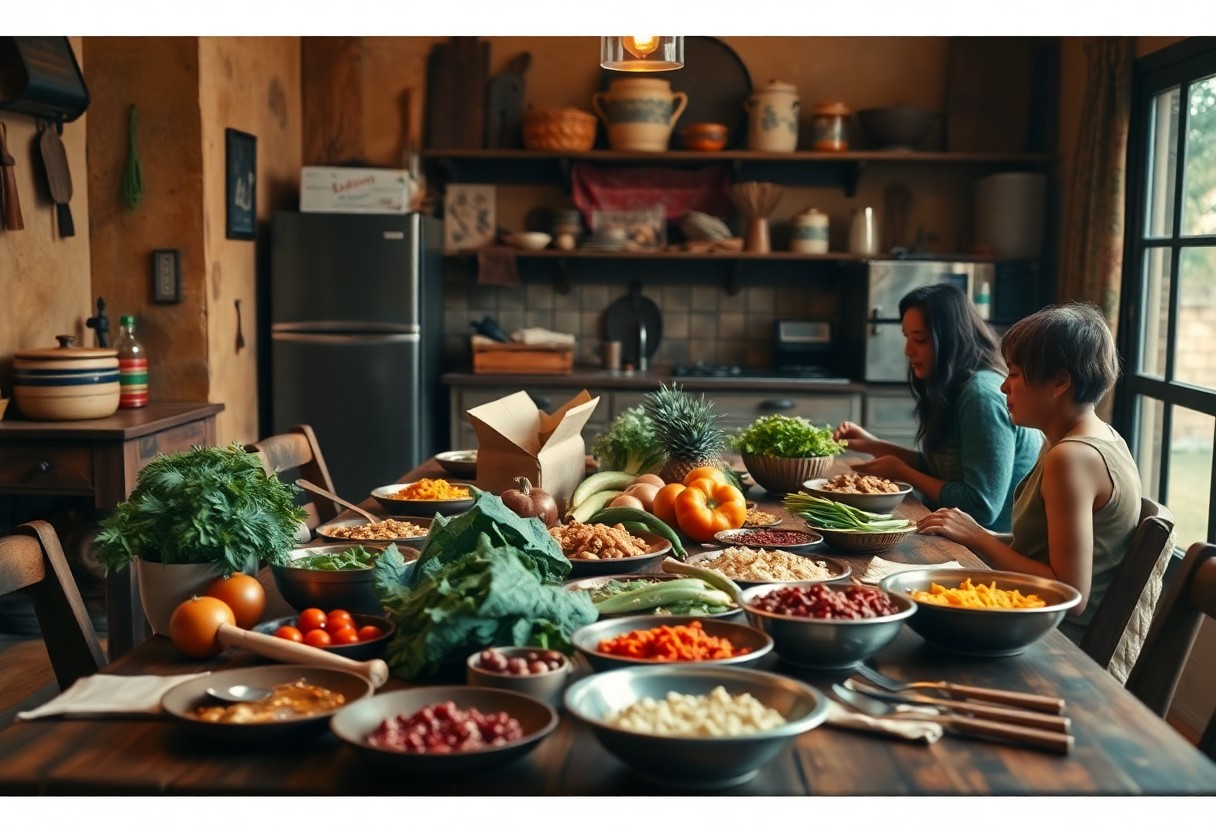


When it comes to enjoying a good meal, choosing local culinary experiences can transform the way you eat. In this article, you’ll discover seven compelling reasons to opt for authentic home cooking instead of delivery. These experiences not only enrich your palate but also promote support for local producers. In the end, every choice you make impacts your health and your community. Get ready to explore why local cuisine should be your priority when it comes to eating.
Key Takeaways:
-
Home cooking reflects authentic local culture and traditions.
-
Choosing local culinary experiences supports community producers and businesses.
-
Meals prepared with fresh ingredients are generally healthier and more flavorful.
-
Participating in culinary experiences encourages social interaction and learning about different cuisines.
-
Opting for local gastronomy creates lasting and unique memories while traveling.
The Importance of Home Cooking
Home cooking is a fundamental pillar of culinary culture. It allows you not only to enjoy unique dishes but also to connect with the roots of your community. The authenticity of ingredients and recipes passed down through generations makes every bite a unique and personal experience.
Tradition and Culture
Enjoying home cooking is immersing yourself in the traditions of your culture. Each recipe tells a story, reflecting the values and heritage of your family. By choosing authentic dishes, you support the sustainability of these customs, ensuring that future generations can also appreciate the richness of their culinary heritage.
Flavor and Quality
Authenticity in cooking directly translates into quality and taste. Fresh, local ingredients used in your preparations have a significant impact on your palate. For example, seasonal vegetables contain more nutrients and a more vibrant flavor than any processed or frozen option. Additionally, when cooking at home, you have full control over what goes into your dishes, ensuring that each meal is delicious and healthy.
Choosing home cooking not only enhances the flavor of your meals but also strengthens your ability to customize each recipe. Using fresh, high-quality products enhances taste and protects your health by avoiding additives and preservatives. For instance, when preparing a stew, you can choose your favorite spices and adjust seasoning to your personal preference. This not only gives you control over what you consume but also enriches your culinary experience, making it truly your own.
Local Culinary Experiences
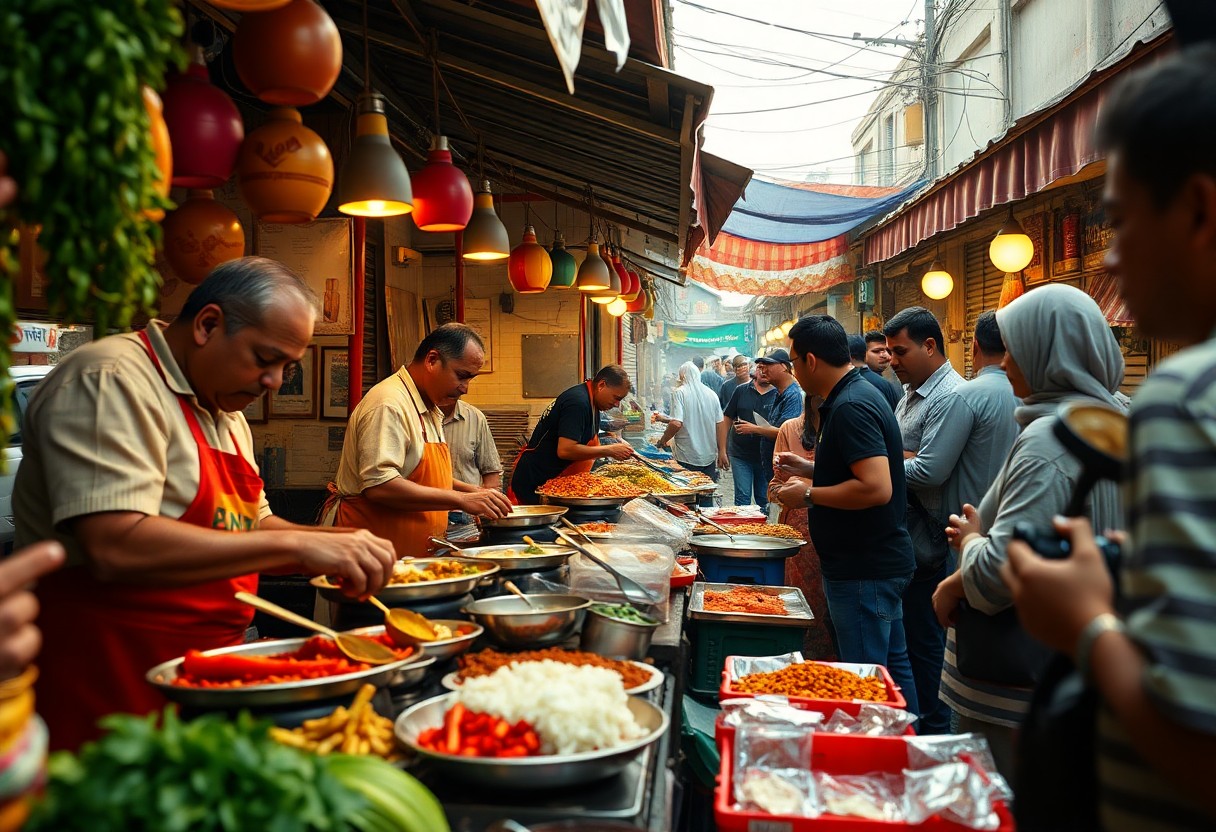
Immersing yourself in local culinary experiences allows you to discover the authentic flavors of your region. From street markets to food festivals, every bite tells a story connecting the past with the present. By choosing these experiences, you not only satisfy your palate but also enrich yourself culturally, turning every meal into a memorable adventure that goes beyond merely eating.
Connection with Producers
By choosing local culinary experiences, you establish a direct connection with the producers who grow and prepare your food. This connection enriches your tasting experience and helps you understand the dedication and passion behind every ingredient. Meeting the producers reinforces the importance of quality and freshness in cooking, making your experience personal and authentic.
Supporting the Local Economy
Participating in local culinary experiences contributes significantly to the community’s economy. Each time you choose to eat at a family-run restaurant or shop at a farmers’ market, you ensure that revenue stays in your area, benefiting small businesses and creating jobs.
This economic support translates into greater opportunities for local farmers and chefs, promoting a sustainable cycle that strengthens the region’s culinary culture. Studies show that every dollar spent on local businesses has a multiplier effect on the economy, demonstrating how your food choices can make a tangible difference in your community. Ultimately, eating locally not only satisfies your hunger but also nourishes your social and economic environment.
Benefits of Choosing Home Cooking
Opting for home cooking is not only a tasty decision but also enhances your well-being and connection to local culture. Each homemade dish is prepared with fresh, high-quality ingredients, giving you the chance to experience authentic flavors that can’t be replicated by takeout. Additionally, by choosing home cooking, you support local producers and encourage sustainable practices, contributing to a stronger, healthier community.
Nutritional Value
Home cooking offers high nutritional value since you can control the ingredients and portions of your meals. By including fresh, seasonal foods, you ensure that your dishes are full of vitamins and minerals. This not only promotes healthier eating but also allows you to avoid harmful preservatives and additives often found in fast food or delivery meals.
Variety of Flavors
The variety of flavors found in home cooking is unmatched. Each region has its own traditional recipes reflecting local ingredients and culinary techniques. By choosing local culinary experiences, you can taste dishes ranging from rich, hearty stews to fresh, crunchy salads, each with a unique flavor profile that tells a story in every bite. This diversity not only enriches your palate but also expands your knowledge of the region’s culinary culture.
Exploring the variety of flavors in home cooking is an adventure in itself. From the spices used in Middle Eastern cuisine to the bold flavors of Mexican dishes, each local culinary experience offers a symphony of flavors that stimulate your senses. For example, you might notice the difference between a traditionally prepared carnitas taco and an industrially produced one. Many traditional recipes have been perfected over generations, meaning each dish has its own essence and character, giving you the opportunity to experience the rich cultural heritage of each region through its food. This is a journey that fast food menus simply cannot offer.
 Disadvantages of Delivery
Delivery experiences have several disadvantages that can affect the quality of your meal. These include long wait times, lack of control over how your order is handled, and often the additional cost associated with the service. To better understand how to optimize home delivery and takeout services, you can read How to Optimize Home Delivery and Takeout Services.
Quality Limitations
Delivery often compromises the quality of your dishes. Food may arrive cold, soggy, or altered, affecting its presentation and taste. This happens due to the delay between preparation and delivery, causing the optimal qualities of your meal to be lost along the way.
Environmental Impact
Delivery services can increase the use of disposable packaging, contributing to greater waste production. Transporting food in delivery vehicles also generates CO2 emissions, negatively impacting the environment. These considerations make choosing delivery not just a matter of convenience but also a factor affecting the planet.
The environmental impact of delivery is significant. Studies indicate that extensive use of plastic and cardboard containers, along with fuel consumption for transportation, increases the carbon footprint of each order. While you may seek the convenience of a delivered meal, it’s essential to consider that every delivery choice contributes to the environmental crisis. Opting for local culinary experiences is better not only for your palate but also for the environment, supporting more sustainable and responsible practices.
How to Find Local Culinary Experiences
To discover local culinary experiences, start by exploring your neighborhood. Visit markets, food fairs, and community events that often highlight the best of regional cuisine. Talk to residents—they can suggest authentic places that may not appear in tourist guides. Don’t underestimate the power of word-of-mouth, as personal recommendations often lead you to hidden gems.
Recommendations and Reviews
Checking online restaurant reviews can be a good starting point. Platforms like TripAdvisor or Yelp provide valuable information about other customers’ experiences, helping you form a clear idea of what to expect. Additionally, local opinions on food blogs can give you deeper insights and information about special events and must-try dishes.
Platforms and Social Media
Social media is an excellent tool for finding local culinary experiences. Instagram and Facebook are especially useful, as many restaurants and chefs share their menus and exclusive events. Use hashtags like #LocalFood or #RegionalCuisine to simplify your search. Platforms like Google Maps also allow you to explore recent reviews and photos of places, giving you an up-to-date, visual perspective.
On Instagram, you can follow local chefs and restaurants for updates on new dishes and special events. This way, you’ll stay informed about offerings while interacting with the culinary community. Facebook also hosts cooking events in your area, allowing you to meet other food enthusiasts. Use local tags and participate in groups for even more specific, personalized recommendations.
Conclusion
Choosing local culinary experiences instead of delivery can enrich your culinary life and support community entrepreneurs. Additionally, enjoying a well-prepared meal in an authentic setting allows you to appreciate the cultural context surrounding each dish. Experts emphasize that human connection and service quality are invaluable. If you are interested in delivery, consider reading Why Your Restaurant Should Offer Food Delivery… to better understand your available options.
FAQ
Q: What is authentic home cooking?
A: Authentic home cooking refers to dishes prepared with fresh, traditional ingredients, following unique recipes passed down through generations. It is based on manual preparation and the use of culinary techniques typical of the region.
Q: What are the advantages of choosing local culinary experiences over delivery?
A: Choosing local culinary experiences allows you to taste authentic dishes, learn about the local culinary culture, interact with cooks, access fresh ingredients, and improve sustainability by supporting local producers.
Q: How can one find local culinary experiences?
A: Local culinary experiences can be found through gastronomic tourism platforms, social media, recommendations from friends, and websites specializing in tourism and gastronomy that offer tours and tastings.
Q: Is participating in local culinary experiences expensive?
A: Costs can vary depending on the experience, menu, and location, but they are often competitive or even more economical than delivery services, offering higher quality and added value in terms of culture and culinary education.
Q: Can local culinary experiences be adapted to specific diets?
A: Yes, many local culinary experiences are willing to adapt their menus to meet specific dietary needs, such as vegetarian, vegan, or gluten-free. It is advisable to inform them of these requirements when booking the experience.