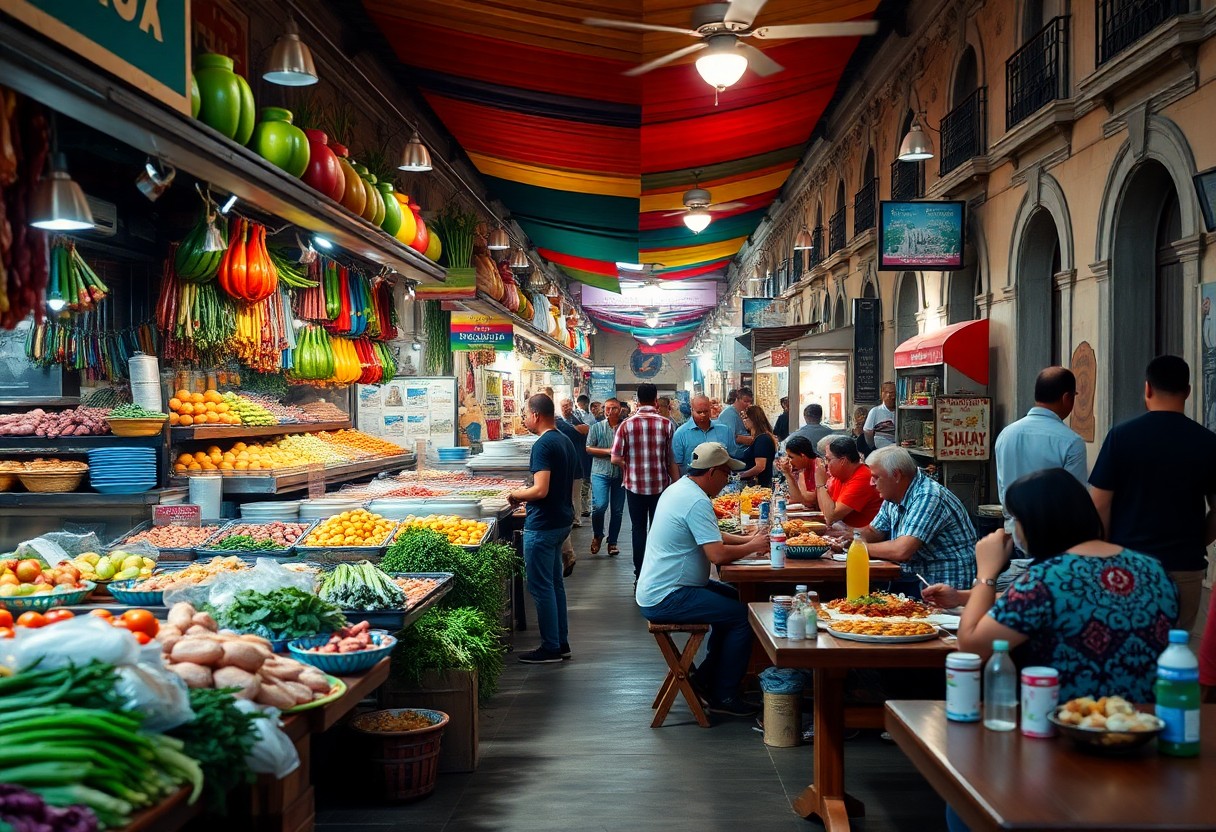


In Mexico, local culinary experiences are radically changing the way people enjoy food. From valuing native ingredients to connecting with local producers, every bite allows you to immerse yourself in the country’s rich culture. These initiatives not only enhance your culinary experience but also promote sustainability and support local communities. If you’d like to learn more about this growing movement, visit Sustainable Restaurants in Mexico City 2025.
Local culinary experiences:
-
Promote sustainability and the use of fresh ingredients.
-
Incorporate local culture and traditions, offering a deeper connection with food.
-
Increase visibility for small producers and emerging chefs.
-
Encourage gastronomic tourism by attracting visitors seeking authentic cuisine.
-
Promote a greater appreciation for Mexico’s culinary diversity.
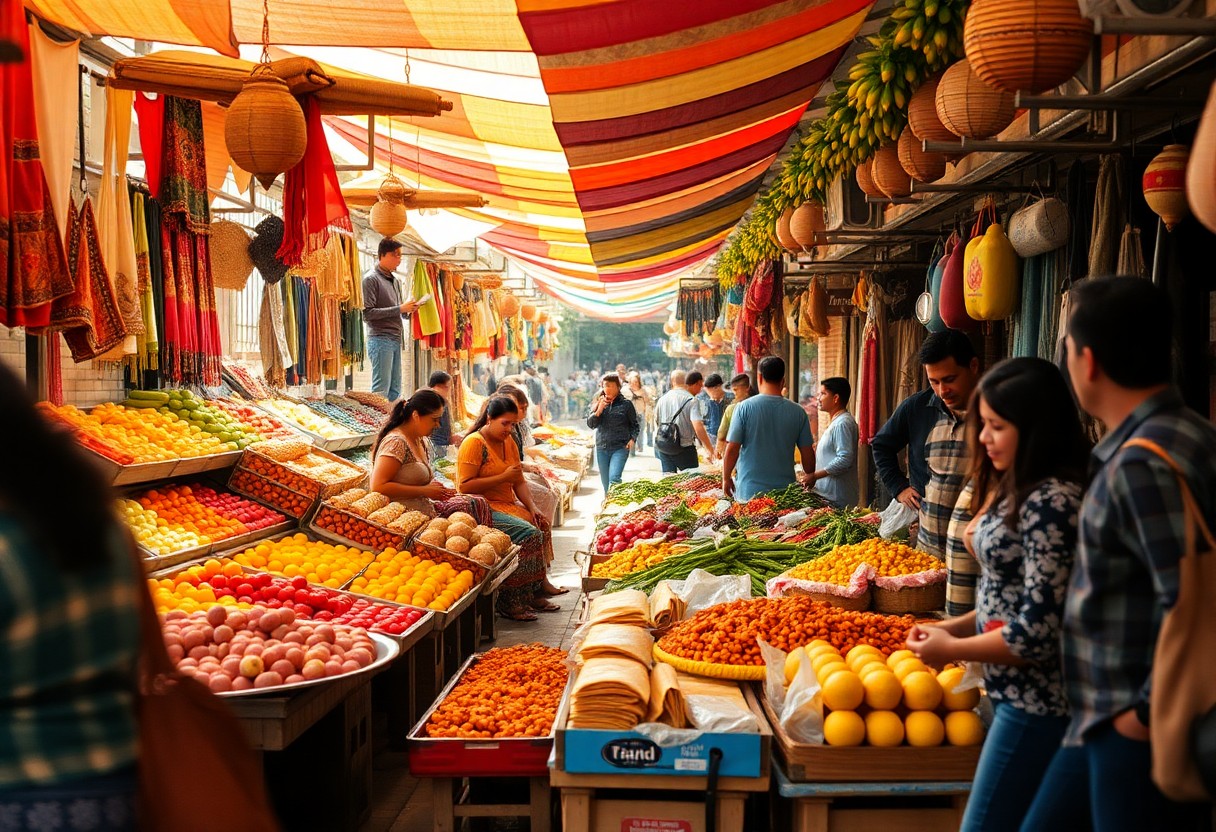
The Importance of Local Gastronomy in Mexico
Local gastronomy is a cornerstone of Mexican culture, where every dish tells a story that connects communities to their roots. This culinary heritage, dating back to ancient civilizations, not only reflects the diversity of native ingredients but also the legacy of traditions passed down through generations. By enjoying regional dishes, you don’t just savor flavors, you dive into a universe of customs and celebrations that deepen your understanding of Mexican identity.
Cultural Roots and Traditions
The cultural roots of Mexican cuisine are deep and diverse. Each region has its specialties, shaped by geography and local customs. For example, in Oaxaca, the wide variety of moles and the famous tlayuda reflect indigenous heritage and cultural blending. Experiencing these dishes connects you with traditions preserved for centuries, fostering a sense of belonging and cultural pride.
Impact on National Identity
Gastronomy plays a central role in Mexico’s national identity, serving as a symbol of social unity and diversity. Through food festivals and fairs, Mexicans celebrate their culinary heritage, strengthening community ties and promoting intercultural dialogue. In fact, Mexican cuisine was declared Intangible Cultural Heritage of Humanity by UNESCO in 2010, reaffirming its importance in daily life and historical legacy.
This recognition highlights not just the unique dishes but also the community practices surrounding them, such as food preparation and recipe transmission. Aligning with these traditions allows you to feel more connected to the nation, understanding every bite as a bridge between past and present. In a country where diversity is the norm, sharing and enjoying these culinary experiences enriches your identity as a Mexican and strengthens unity among cultures.
New Trends in Culinary Experiences
Mexico’s culinary scene is embracing new trends that transform the way people enjoy food. From dinners in unexpected locations to menus designed for special occasions, these innovations aim to create a deeper connection between diners and local cuisine. As chefs focus on sustainability and authenticity, they invite you on a culinary journey that goes far beyond eating.
To better understand how these experiences are revolutionizing gastronomy, discover 7 reasons why Homlunch will change the way people eat in Mexico and how you can be part of this culinary transformation.
Innovation in Service and Presentation
Service and presentation are evolving to surprise and delight the senses. Many restaurants now offer dishes that stand out not only for their taste but also for their visual beauty. Plating techniques have become an art form, where every element on the plate is carefully considered to create a complete sensory experience. This attention to detail ensures that each meal is memorable.
The Influence of Technology
Technology is reshaping gastronomy, from easy reservations to immersive augmented reality dining. You can use apps that provide detailed information about ingredients and the stories behind each dish, deepening your cultural appreciation. Chefs are also using advanced tools to innovate with flavors and cooking techniques, resulting in experiences you never imagined.
Some restaurants now feature digital menus on tablets that include videos of meal preparation or customization options, allowing guests to tailor dishes to their preferences. This approach not only makes dining more engaging but also educates diners about ingredients and preparation, turning every meal into an interactive cultural experience.
While some modern trends like dark kitchens are transforming the industry, Homlunch offers a more human and personal alternative; learn about dark kitchen trends and how Homlunch offers a human alternative and discover how technology can be combined with authenticity.
The Role of Local Chefs and Restaurants
Local chefs and restaurants are at the heart of Mexico’s culinary transformation. Through creativity and strong ties to native ingredients, they create dishes that represent the country’s cultural identity while adding value to every dining experience. These professionals have become ambassadors of tradition, offering menus that celebrate regional flavors and foster pride in local gastronomy.
Reviving Traditional Recipes
In a world dominated by global cuisine, local chefs are reviving traditional recipes that had nearly disappeared. Using ancestral techniques and native ingredients, they invite diners to rediscover flavors that embody Mexico’s rich heritage. Each dish tells a story, and by tasting it, you connect more deeply with the country’s culture and traditions.
Sustainability and the Farm-to-Table Movement
The farm-to-table trend is gaining momentum in Mexico as sustainability becomes a priority. Chefs are partnering with local farmers to ensure fresh, seasonal ingredients, benefiting both health and the environment. Choosing local products supports regional economies and reduces the carbon footprint of your meals.
Restaurants like El Parnita and Rosetta stand out for sourcing ingredients directly from nearby farms, ensuring freshness and quality. Beyond delicious food, these initiatives promote a responsible food system that respects natural cycles and minimizes waste. By choosing such restaurants, you become part of a movement that supports the environment and local communities.
Social and Economic Impact
Local culinary experiences are having a major social and economic impact in Mexico. These initiatives not only encourage the consumption of local products but also strengthen cultural identity. As highlighted in The Future of Gastronomy: Innovations That Will Define…, they promote tourism and generate jobs, improving quality of life across communities.
Boosting Culinary Tourism
Culinary tourism has become a key driver of the local economy. By attracting visitors interested in Mexico’s diverse cuisine, these experiences increase tourist activity and create direct income for restaurants and food producers.
Job Creation and Community Development
Beyond tourism, these initiatives generate employment at all levels, from agriculture to hospitality. Community programs train residents in culinary skills, empowering young people and preserving local traditions. Food fairs and local markets provide platforms for producers and chefs to showcase their work, creating a cycle of shared prosperity.
Challenges and Opportunities for the Future
The future of local culinary experiences in Mexico faces challenges, from sustainability to operational efficiency, but also holds exciting opportunities for innovation. With the rising demand for personalized dining, chefs and entrepreneurs can adapt by embracing emerging technologies and consumer trends.
Preserving Authenticity
Authenticity remains at the core of Mexican gastronomy. Despite global influences, there is a strong movement to preserve traditional cooking. By offering experiences that reflect cultural heritage, restaurants attract visitors seeking a deeper connection with local cuisine, reinforcing identity and allowing genuine flavors to thrive.
Adapting to New Consumer Demands
As tastes evolve, it’s essential to adapt to changing consumer preferences. Offering vegetarian, vegan, or organic options can attract a wider audience and strengthen your reputation. Integrating digital tools like delivery platforms or ordering apps also helps maximize reach and convenience.
Sustainability plays a growing role in consumer decisions, diners increasingly choose restaurants that use local ingredients and environmentally friendly practices. By embracing these principles, businesses can stand out in a competitive market while supporting the planet.
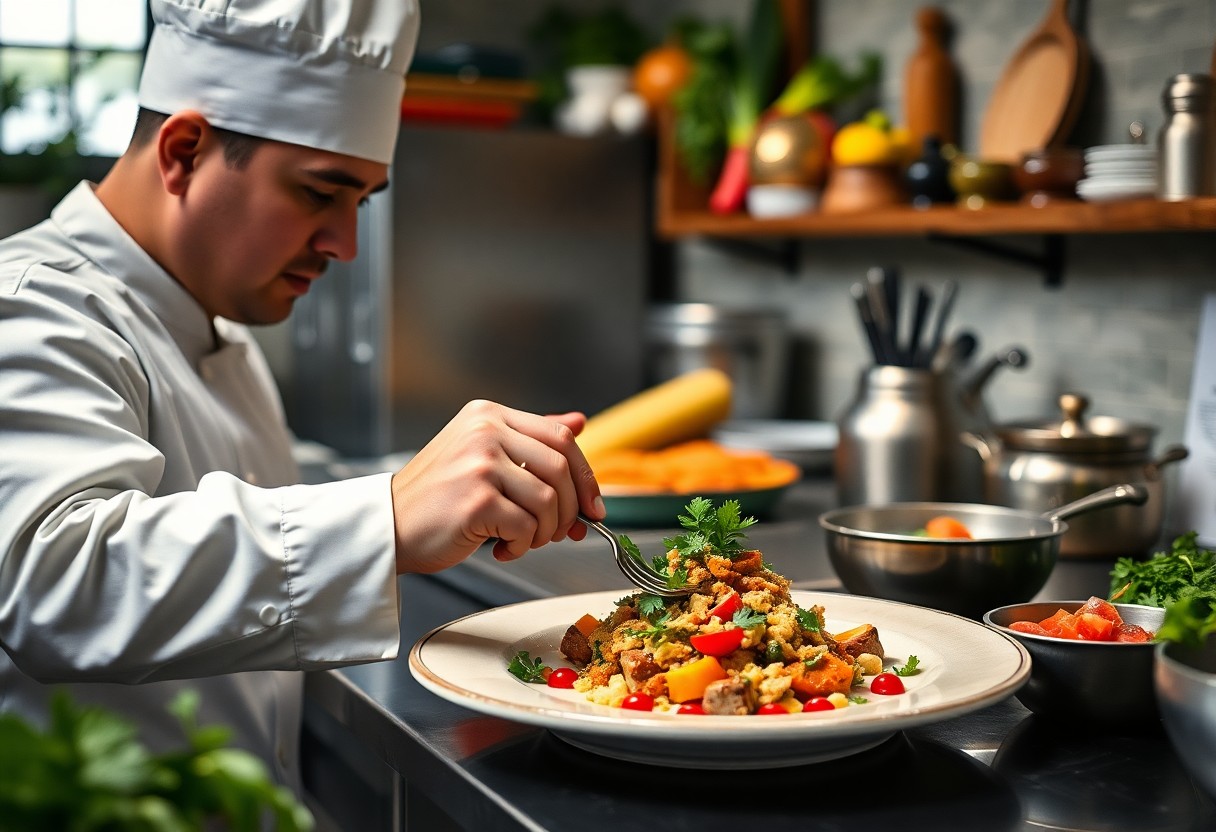
Success Stories in Local Culinary Experiences
Several local initiatives are making an impact. In Oaxaca, the project Sabores de la Mixteca allows visitors to cook with local chefs using native ingredients. In Mexico City, Mercado de San Juan has evolved into a space for tastings and workshops, promoting local products and connecting producers with consumers.
Innovative Local Projects
One remarkable initiative is La Cocina de Doña Dicha, where tourists participate in cooking traditional dishes while learning about the region’s culinary heritage. Such projects not only provide knowledge but also strengthen local economies and promote responsible tourism.
Diner Testimonials
Guests who participate in these experiences often describe them as unforgettable. Many say they connected deeply with the local culture, tasting authentic flavors and learning the stories behind each dish. Some mention that interacting with chefs and producers adds emotional value that transforms their relationship with food.
One traveler shared that cooking mole with a family in Oaxaca not only taught him culinary techniques but also connected him with generational stories, turning a simple cooking lesson into a cultural journey.
Conclusion
Local culinary experiences are redefining the way people eat in Mexico, fostering respect for the country’s rich food culture. By taking part in these activities, diners discover unique flavors and stories that deepen their appreciation of tradition. With the market growing by 25% in the past five years, it’s clear this movement resonates widely. Ultimately, it’s not just about eating, it’s about living and sharing a transformative experience that supports local producers and preserves culinary heritage.
FAQ
Q: What are local culinary experiences?
A: These are activities that allow diners to participate in the preparation and tasting of traditional dishes from specific regions, using fresh ingredients and unique culinary traditions.
Q: How are they changing the way people eat in Mexico?
A: They promote a more conscious approach to food, encouraging appreciation of local culture and sustainability while strengthening ties to Mexico’s culinary heritage.
Q: What benefits do they offer tourists?
A: They provide an immersive cultural experience, learning traditional cooking techniques and enjoying authentic flavors rarely found in conventional restaurants.
Q: What is their economic impact?
A: These experiences generate income for local producers and small businesses, boost tourism, and drive community development.
Q: Why are culinary traditions important in Mexico?
A: They are essential to Mexico’s cultural identity, reflecting its history, geography, and social diversity, and helping preserve national heritage through food.