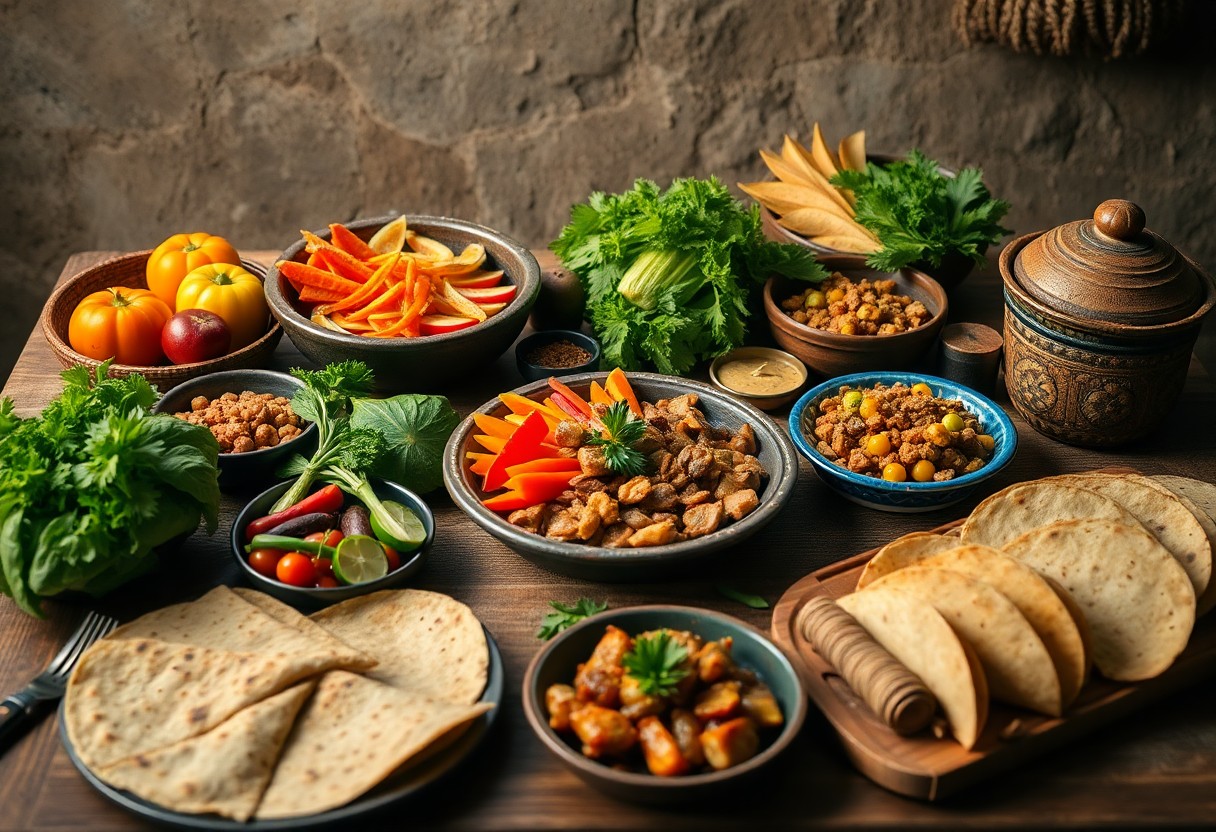


In the fascinating world of gastronomic tourism, your experience can be transformative as you explore the ancestral delicacies that Homlunch rescues for you. This innovative proposal not only highlights forgotten flavors but also connects you with the rich cultural heritage of diverse communities. Through an authentic approach, you’ll savor dishes that tell stories, enriching both your palate and your understanding of traditional gastronomy. Get ready for a culinary journey that honors the roots of our food traditions.
Homlunch Promotes the Revival of Traditional and Ancestral Recipes
-
The proposal seeks to connect travelers with local culture through gastronomy.
-
Emphasis is placed on the use of local and sustainable ingredients in dish preparation.
-
Homlunch organizes culinary experiences that include workshops, tastings, and gastronomic tours.
-
The goal is to preserve culinary heritage while supporting local producers.
The Spiritual Side of Ancestral Gastronomy
Ancestral gastronomy is not only about flavors but also rituals that connect with the spirituality of cultures. Every dish carries deep meaning, reflecting the beliefs and traditions of your ancestors. This spiritual bond is evident in celebrations where food plays a central role, such as Mexico’s Day of the Dead.
For inspiration on this culinary path, explore Cooking as an Enterprise: Real Success Stories in Mexico.
Cultural Roots of Gastronomy
Each dish is steeped in history, every ingredient tells a story of origin. Cultural roots are essential to understanding why certain flavors endure over time. In every corner of your home, you can find traditions passed down through generations, enriching your culinary experiences.
Dishes That Have Stood the Test of Time
Some dishes, such as mole or pozole, have survived for centuries. They are not only iconic flavors but also symbols of cultural identity. The passing down of recipes and techniques through generations ensures that future ones continue to enjoy these delicacies, strengthening our connection with the past.
Mole, for example with its complex mix of chilies, spices, and chocolate, is a clear example of how dishes evolve without losing their essence. Its history dates back to pre-Hispanic civilizations, adapting to different regions and contexts while preserving its distinctive flavor. This resilience reflects the adaptability of gastronomy, allowing you to experience a journey of flavors deeply connected to your ancestors’ heritage.
Homlunch: Innovation in Gastronomic Tourism
Concept and Vision
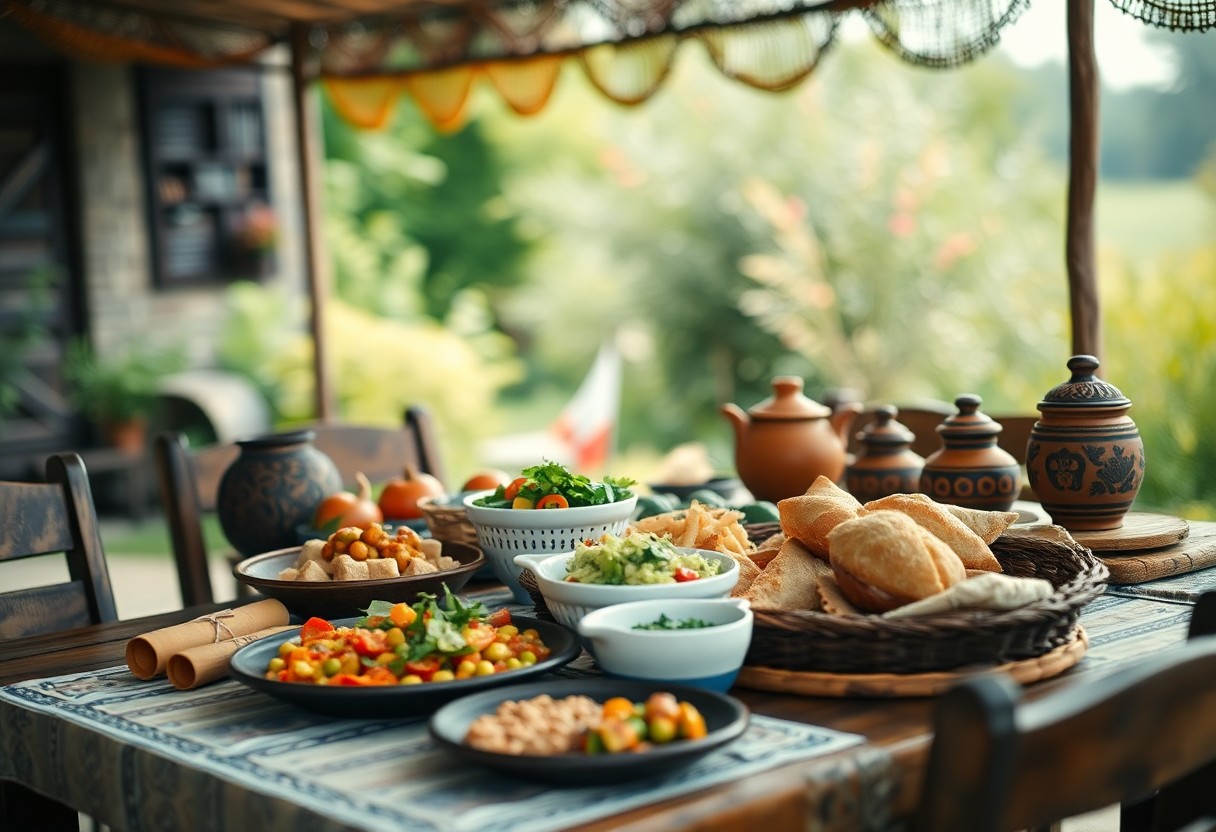
Homlunch redefines gastronomic tourism by merging culinary heritage with memorable experiences. Its vision is to give travelers the opportunity to experience ancestral cooking through direct interaction with local chefs and participation in workshops that highlight traditional techniques. This creates an authentic connection between visitors and local culture, transforming every meal into a meaningful cultural experience.
Culinary Experiences
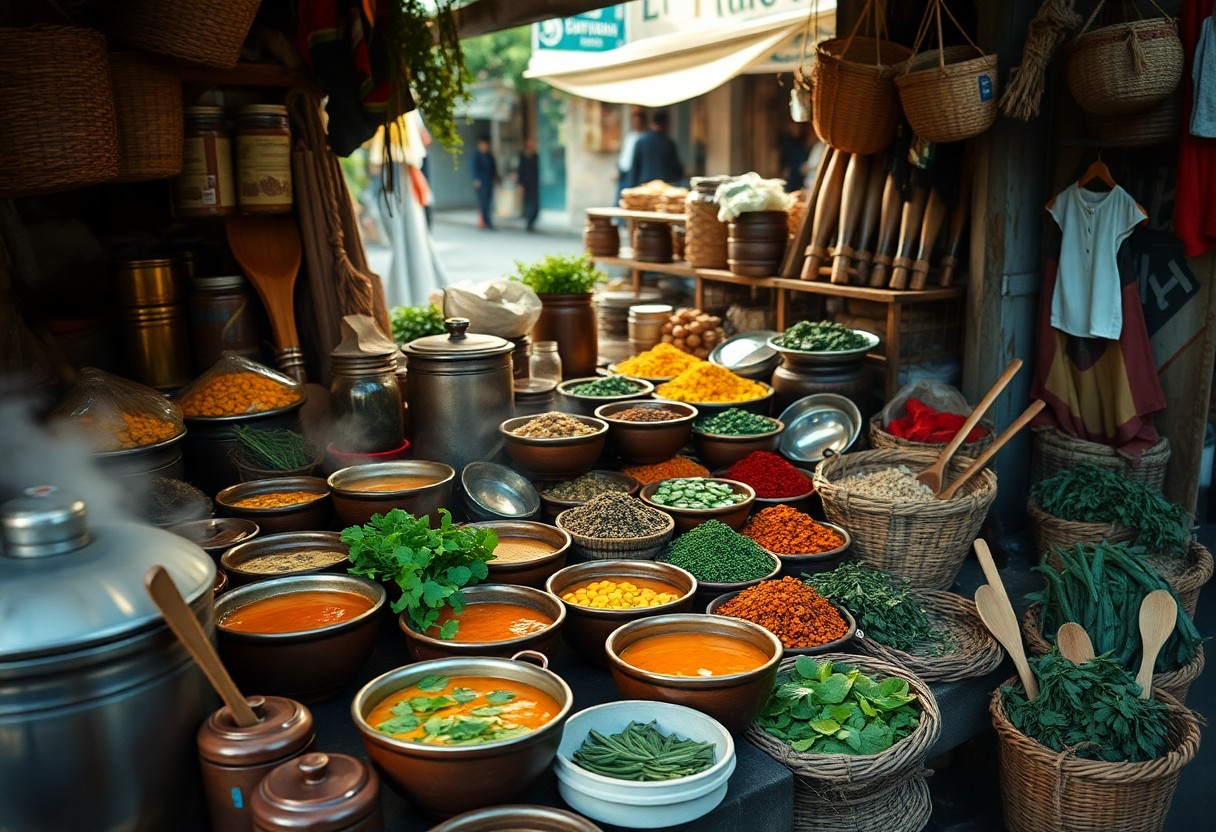
Homlunch’s culinary experiences are a sensory journey through regional cuisine. From cooking classes in local markets to intimate dinners in the homes of chefs, every event highlights native ingredients and traditional methods.
Participants can take part in dynamic activities like sourcing fresh ingredients from vibrant local markets. Homlunch also organizes tastings of traditional dishes, teaching about their origins and cultural context. These immersive experiences offer not only authentic flavors but also a deep understanding of the history and community behind ancestral cuisine.
The Importance of Gastronomic Tourism
Gastronomic tourism is a key tool for the appreciation of local cultures. It invites visitors to taste authentic flavors while reviving culinary traditions. As discussed in The New Mexican Cuisine Reinvents the Pre-Hispanic Past, these experiences foster deeper regional connections and create demand that honors culinary roots while inspiring innovation.
Homlunch not only allows you to enjoy unique flavors, but it also boosts the local economy and preserves culture; learn more about how Homlunch supports gastronomic tourism in Mexico and discover the positive impact it has on communities.
Economic Benefits for Local Communities
Participating in gastronomic tourism has a direct impact on local economies. Promoting local agriculture and native ingredients generates jobs and boosts producers’ incomes. This sustainable development benefits entire regions, allowing residents to prosper while preserving their culinary heritage.
Preserving Culinary Traditions
Preserving culinary traditions is a cornerstone of gastronomic tourism. This approach safeguards ancestral techniques and local recipes while promoting a rich, diverse cultural identity. Through workshops and culinary experiences, chefs and producers share their knowledge, ensuring that these practices are passed down to future generations.
Each dish originates from a unique technique, and each ingredient carries a cultural legacy. By taking part in food festivals, tasting trips, and ancestral cooking workshops, you not only deepen your culinary appreciation but also help sustain cultural diversity for generations to come.
Testimonials from Participants
Homlunch guests share unforgettable experiences that transform their perception of gastronomy. Many note that the dishes not only delight their senses but also tell stories of tradition and community, creating genuine moments of connection and belonging.
Authentic Guest Experiences
Guests’ stories are living testimonies of the intercultural exchanges Homlunch promotes. From families gathered around traditional dishes to travelers learning ancestral cooking techniques, every meal becomes a fusion of flavors and memories that last a lifetime.
Impact on Local Communities
Homlunch’s impact on local communities is significant, encouraging economic growth and cultural preservation. By collaborating with local cooks, it generates income for families and fosters employment, revitalizing culinary traditions.
It also promotes sustainability by prioritizing local and organic ingredients, strengthening agricultural economies and environmental awareness. In the past year alone, more than 60% of the ingredients used in meals were sourced directly from local producers, benefiting families and ensuring the continuation of their gastronomic heritage.
Challenges and Opportunities in Gastronomic Tourism
The world of gastronomic tourism faces both challenges and opportunities. While demand for authentic and sustainable experiences grows, issues such as market saturation and limited local investment remain.
Current Challenges
The sector struggles with off-season tourism and infrastructure gaps that can affect quality. There’s an urgent need for innovation and diversification to keep the experiences relevant and competitive.
Opportunities for Sustainable Growth
Sustainable growth in gastronomic tourism relies on the appreciation of local products and environmentally responsible practices. Initiatives that connect travelers with farmers and small communities are on the rise, offering more meaningful experiences.
Combining gastronomy with eco-tourism attracts conscious travelers while boosting local economies. Promoting seasonal ingredients and reducing food waste also contributes to sustainability. Local farmers’ markets and certification programs are helping build consumer trust and long-term community well-being.
What Ancestral Delicacies Does Homlunch Rescue in Its Gastronomic Tourism Proposal?
Homlunch offers you the opportunity to rediscover and enjoy ancestral delicacies that are part of your cultural heritage. Through its gastronomic tourism proposal, you can explore historical flavors and traditional cooking techniques passed down through generations. This approach enriches your culinary experience while connecting you to your roots and the diversity of local ingredients. By choosing Homlunch, you embark on a journey that celebrates and preserves the richness of ancestral gastronomy.
FAQ
Q: What are some of the ancestral delicacies Homlunch rescues?
A: Homlunch focuses on traditional dishes that vary by region, including recipes based on corn, quinoa, and tubers such as causa limeña and anticucho.
Q: How are the dishes selected for Homlunch’s gastronomic tourism experiences?
A: Dishes are chosen through cultural research that considers history, local ingredients, and culinary traditions.
Q: What role does sustainability play in Homlunch’s proposal?
A: Sustainability is key, Homlunch promotes the use of local ingredients and eco-friendly cooking methods that support local communities.
Q: What kind of experiences can tourists enjoy through ancestral gastronomy?
A: Tourists can join cooking workshops, taste traditional dishes, and visit local markets for a fully immersive cultural experience.
Q: Does Homlunch collaborate with local chefs?
A: Yes, Homlunch works closely with local chefs and cooks who specialize in ancestral recipes, ensuring authenticity in every experience.