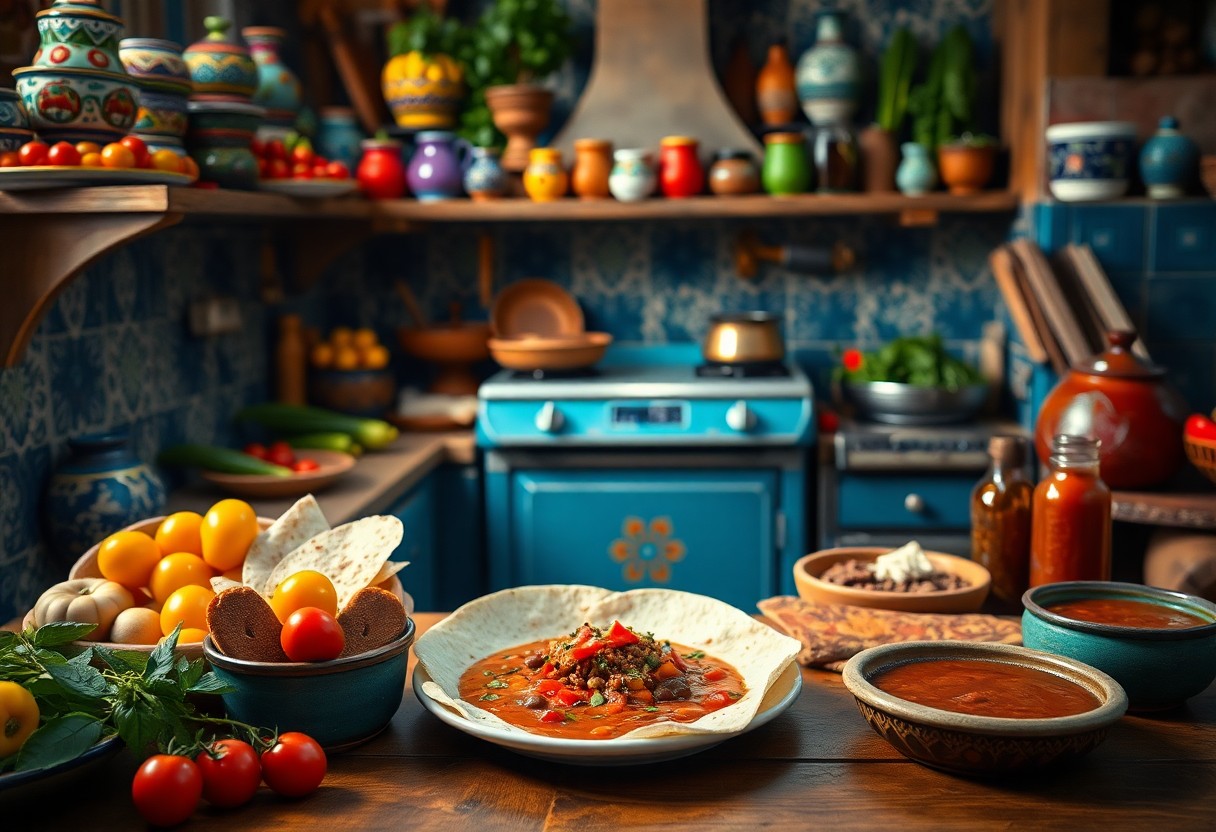


In the vast world of Mexican gastronomy, authentic homemade cooking stands out for its richness and diversity. As a food lover, you can explore how traditional flavors and techniques blend with local ingredients to create a unique experience. In this article, you’ll discover how many dishes originated in pre-Hispanic Mexico and more...why preserving these traditions is essential in today’s culinary landscape.
-
Authentic homemade cooking reflects Mexico’s rich family and regional traditions.
-
It uses fresh, local ingredients that celebrate the country’s biodiversity.
-
Recipes are passed down through generations, preserving original flavors and techniques.
-
It fosters community and social connection through shared meals and experiences.
-
It promotes sustainability through less industrialized, more environmentally conscious cooking methods.
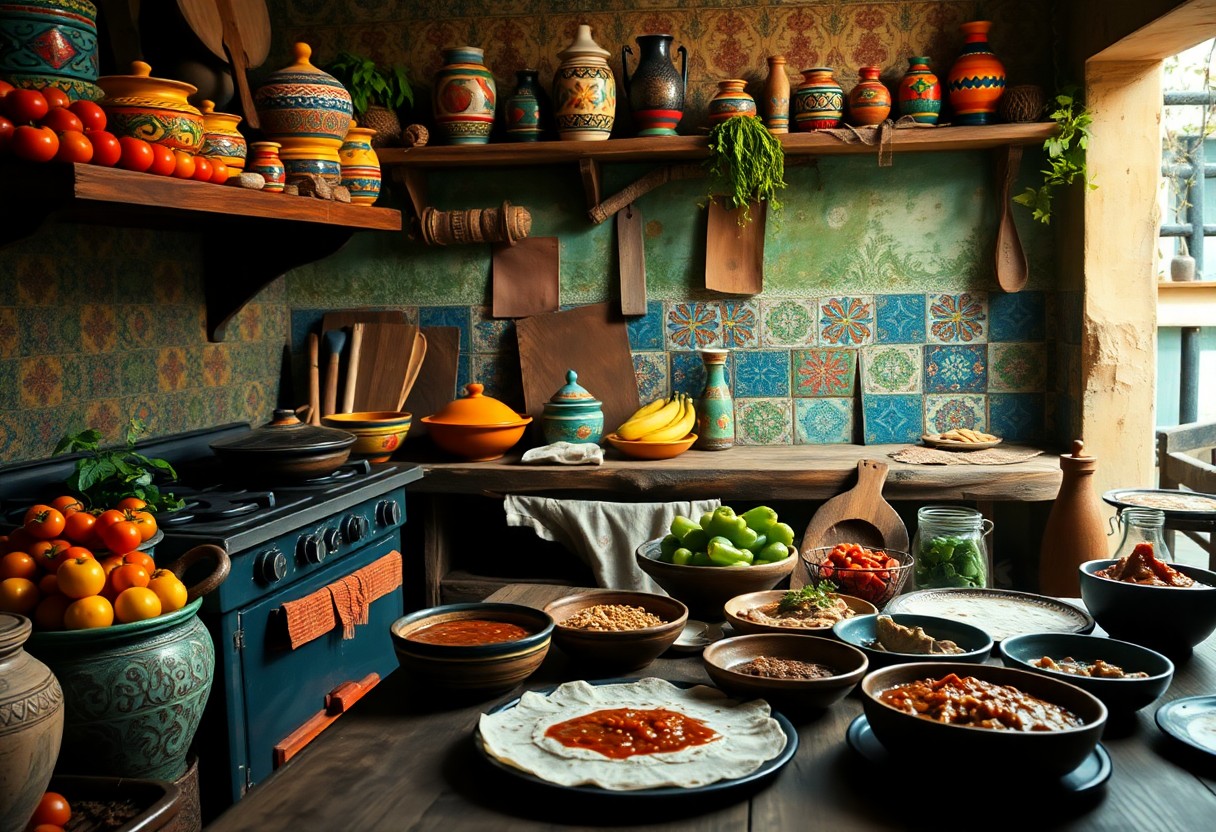
The Essence of Authentic Homemade Cooking
At its core, authentic homemade cooking is a tribute to family traditions and regional uniqueness. Each dish that emerges from this type of kitchen not only satisfies the palate but also tells a story — a legacy passed down from generation to generation. Cooking at home is not only about preparing food; it’s about nurturing an emotional connection to your culture and celebrating the ingredients that have always been part of your life.
Definition and Characteristics
Authentic homemade cooking is defined by its focus on simplicity and tradition. Its main characteristics include time-honored recipes, traditional cooking methods, and an emphasis on genuine flavor. Each dish represents cultural heritage, incorporating preparation techniques that date back centuries — meaning that every bite is a direct reflection of your community’s history and environment.
Local and Fresh Ingredients
Local and fresh ingredients are the heart of authentic homemade cooking. Using what’s available in your region ensures unparalleled flavor while supporting farmers and local markets. For example, when preparing mole poblano, choosing local chiles guarantees freshness and quality.
By prioritizing local ingredients, you benefit from Mexico’s rich terroir. Fresh avocados and tomatoes give your salsa vibrant flavor, while herbs like epazote and cilantro add both taste and nutrition. This connection to the origin of your ingredients enriches each bite, letting you savor the true essence of Mexican cuisine.
Culinary Traditions in Mexico
Within Mexico’s rich diversity, culinary traditions intertwine with cultural identity, giving life to dishes that tell family and regional stories. Each region contributes ingredients and techniques that preserve ancestral heritage. Homemade cooking nourishes not only the body but also the soul, strengthening intergenerational bonds and connections to the land.
Regional Influences
Regional influences are fundamental to Mexican cooking. From corn in the southeast to chiles in the north, each area showcases unique flavors that reflect its geography and history. Climate diversity and the abundance of fresh ingredients have led to a wide range of dishes, demonstrating the adaptability and creativity of Mexican cooks over time.
Family Recipes and Their Transmission
Family recipes are the soul of homemade cooking, passed down through generations. These recipes include not just ingredients but also the techniques and secrets learned through love and togetherness. Cooking alongside grandmothers or mothers helps keep traditions alive and strengthens family ties, creating an invaluable emotional legacy.
Collecting these recipes means more than just following steps, it’s about experiencing meaningful moments in the kitchen, where multiple generations’ hands come together. For instance, preparing Oaxacan black mole is an ancestral art that requires not only specific ingredients but also an understanding of its complexity — knowledge acquired through observation and practice. Each dish thus carries flavor, history, and meaning, turning every meal into a celebration of cultural heritage.
The Impact of the Mexican Culinary Movement
The Mexican culinary movement has resonated both nationally and internationally, highlighting the diversity and richness of regional cuisine. This phenomenon has led chefs and restaurateurs to rediscover and promote ancestral recipes, bridging past and present.
Global Recognition
As global interest in Mexican cuisine grows, so does its recognition. In 2010, UNESCO declared traditional Mexican cuisine an Intangible Cultural Heritage of Humanity, emphasizing its cultural value and national importance.
The Fusion of Tradition and Modernity
The fusion of traditional and modern cooking in Mexico is a fascinating phenomenon redefining culinary boundaries. Innovative chefs are reinventing classic recipes by blending ancestral flavors with modern techniques and contemporary presentations — appealing to diverse audiences.
A great example is Pujol in Mexico City, which reinterprets mole by fusing ancestral flavors with international influences, balancing authenticity with innovation. This approach not only honors tradition but also encourages new generations of cooks to experiment and explore, contributing to the ongoing evolution of Mexican culinary identity.
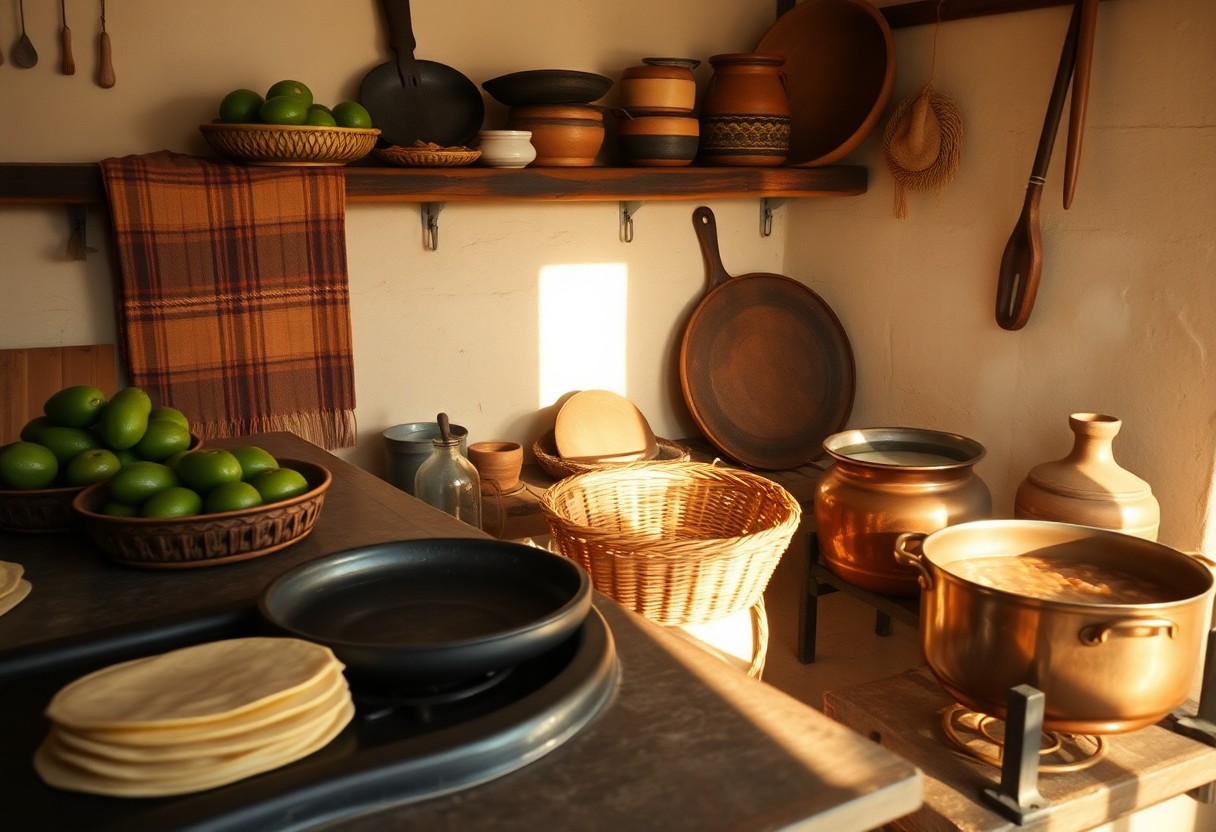
Sustainability in Homemade Cooking
Homemade cooking celebrates tradition while also emphasizing sustainability, promoting a deep connection between food, community, and the environment. Choosing seasonal, locally sourced ingredients helps reduce carbon footprints and supports responsible farming practices. This commitment to sustainability is not just a trend but a way of honoring Mexico’s culinary heritage.
Responsible Practices
Adopting responsible cooking practices is essential for environmental preservation. This includes using organic produce, minimizing waste, and making the most of every ingredient. Planning meals carefully and reusing leftovers ensures that nothing goes to waste.
Supporting Local Communities
Choosing locally sourced ingredients strengthens your community’s economy and supports fair trade. It guarantees freshness while helping preserve regional culinary traditions. By buying from small farmers, you contribute to their social and economic well-being and help safeguard traditional agriculture.
Supporting local communities doesn’t just mean eating authentic flavors, it means playing a vital role in preserving biodiversity and ancestral knowledge. For example, purchasing native corn from nearby farmers not only gives you high-quality ingredients but also helps protect endangered corn varieties. This direct relationship between cook and producer reinforces social and cultural bonds, creating a virtuous cycle between food, community, and environment.
The Role of Community in Homemade Cooking
Homemade cooking thrives in environments where communities come together to share knowledge and flavors. Collaboration among neighbors and families strengthens cultural identity and fosters belonging. Each dish carries with it stories, recipes, and traditions that enrich everyone’s culinary experience.
Gathering Spaces
Markets, fairs, and community kitchens are key spaces for homemade cooking. They encourage the exchange of recipes and techniques, providing a setting where families can celebrate their culinary heritage together. In these spaces, every ingredient tells a story, and every dish becomes a bond that unites people.
Cooking as Cultural Heritage
Seeing cooking as cultural heritage means recognizing its value beyond food itself. It reflects history, diversity, and customs. The food you prepare at home mirrors your identity and the influences from various regions and ethnic groups. This heritage, passed down through generations, defines not only what you eat but also who you are and where you come from.
Corn, chiles, and tomatoes form a culinary triangle that has given life to countless recipes that have endured for centuries. Actively participating in your community’s cooking traditions connects you to this legacy, letting you celebrate and preserve local culture while fostering a sense of continuity and belonging.
Challenges and Opportunities for Homemade Cooking
Homemade cooking faces challenges such as limited access to fresh ingredients and competition from fast and processed foods. However, it also offers opportunities to showcase the authenticity and cultural value of traditional recipes. Bringing these ideas into the modern context creates a bridge between the old and the new.
Globalization and Authenticity
Globalization has changed how we access ingredients and recipes from around the world. While it can sometimes dilute authenticity, it also opens opportunities to renew traditional dishes, blending global influences while maintaining the essence of Mexican flavor.
Innovation and Adaptation
Innovation in homemade cooking comes from blending flavors and techniques. Adapting family recipes to modern trends, such as vegan or gluten-free diets, keeps them relevant. Creative presentation and ingredient choices can also attract new audiences.
Innovation isn’t just about changing ingredients; it’s about rethinking presentation. For example, serving mole poblano as bite-sized tapas can appeal to modern diners seeking unique experiences. Likewise, using contemporary cooking techniques like sous-vide can preserve a dish’s essence while enhancing its texture. Adaptability is key to keeping culinary traditions alive.
Conclusion
Ultimately, authentic homemade cooking is a celebration of the cultural heritage that defines Mexico’s culinary movement. Its ability to evoke memories and connect generations through traditional recipes is invaluable. This cuisine not only nourishes the body but also feeds the soul, reaffirming the importance of preserving traditions in an ever-changing world.
FAQ
Q: What defines authentic homemade cooking in Mexico?
A: It’s defined by the use of fresh, local ingredients, traditional cooking techniques, and recipes passed down through generations, highlighting cultural and family connections.
Q: How do regional traditions influence Mexican homemade cooking?
A: Regional traditions contribute a wide variety of flavors and techniques, with each area adding its own ingredients and preparations, creating a rich and diverse culinary landscape.
Q: What role does family play in Mexican homemade cooking?
A: Family plays a central role, recipes are often taught across generations, fostering belonging and preserving a culinary legacy that strengthens cultural identity.
Q: What are some essential ingredients in Mexican homemade cooking?
A: Staples include corn, beans, chiles, tomatoes, and a range of spices and herbs such as cilantro and cumin, all essential to creating authentic Mexican flavors.
Q: How does homemade cooking influence the contemporary Mexican culinary movement?
A: Homemade cooking enriches Mexico’s modern culinary movement by valuing traditional techniques, promoting gastronomy as cultural heritage, and encouraging sustainability through local, organic ingredients.