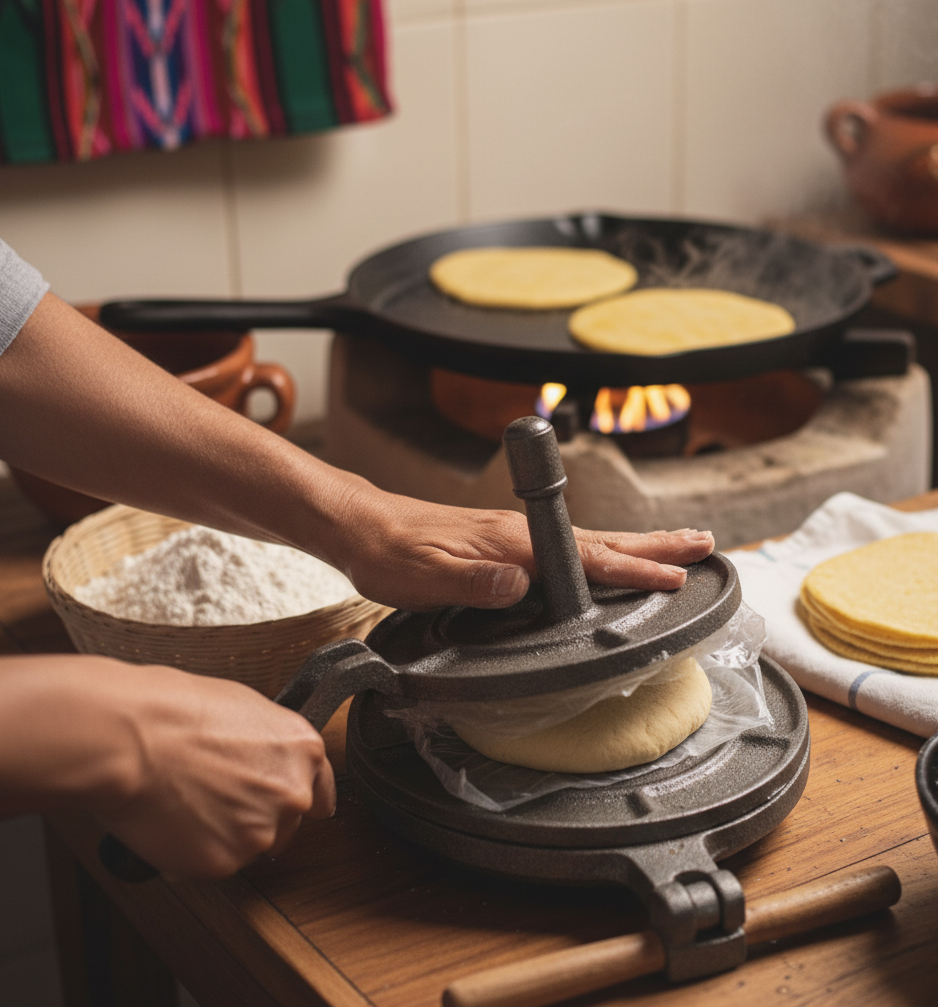


Typical food is not just a recipe; it is the cultural expression of a region or country, reflecting its history, customs, and local ingredients. Every country, state, or community has dishes that identify it and have been passed down through generations.
In this article, we explore what typical food is, how it is defined, why it is important, and how it is enjoyed around the world.
🌿 Definition of Typical Food
Typical food can be defined as:
Dishes, recipes, and preparations that represent the identity of a region and use local ingredients, traditional techniques, and characteristic flavors.
It is not only about what is popular, but what reflects the culinary culture of a place.
In Mexico, this culinary identity is reflected in dishes that have been passed down through generations. Knowing what the 10 typical foods of Mexico are helps understand how local ingredients and family traditions have shaped the national cuisine, showcasing not only flavor but also history and culture in every bite. Discover them here
🌎 Characteristics of Typical Food
-
Local ingredients: based on products grown or produced in the region
-
Traditional techniques: methods passed down through generations
-
Characteristic flavors: unique combinations of spices, textures, and tastes
-
Cultural identity: each dish tells a story or is linked to celebrations
🍲 Examples of Typical Food Around the World
-
Mexico: tacos, mole, tamales, pozole, chiles en nogada
Among Mexican dishes, tacos stand out as a clear example of a typical plate that represents the country’s diversity and culinary culture. If you want to learn more about what a typical dish of Mexico is and how it is enjoyed in everyday life, you can explore it here
-
Italy: pasta, pizza, risotto
-
Japan: sushi, ramen, tempura
-
India: curry, samosas, biryani
-
Spain: paella, tapas, gazpacho
These examples show how each country has dishes that represent its history and traditions.
🥗 Typical Food in Modern Life
Today, typical food adapts to faster lifestyles and new ways of consuming meals. However, its essence is preserved thanks to chefs, local markets, and platforms that bring traditional cuisine to homes.
In Mexico, for example, Homlunch allows you to enjoy homemade and regional typical food, prepared by local kitchens with fresh ingredients.
Conclusion
Typical food is much more than food: it is history, culture, and a way to connect with a place. Knowing and tasting it is understanding the identity of each region and country.
👉 The next time you eat something typical, remember that you are enjoying centuries of tradition.